









30% Off - Sitewide | Excluisve
25% Off - All Wood Toys
20% Off - Toy Cars
18% Off - All Products
Free Delivery Over £50
15% Off - Your Order
£10 Off - First Order
Le Toy Van UK Review: Is It Worth It in 2026?
Introduction
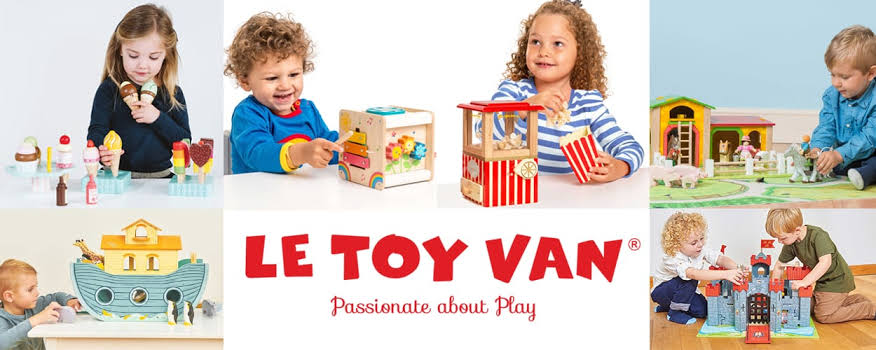
If you love the idea of filling a child's playroom with beautiful wooden toys that look just as lovely on a shelf as they do during playtime, Le Toy Van UK is a brand worth knowing about. With its charming miniature kitchens, colourful wooden vehicles, pretend-play shops and beautifully detailed dollhouses, the brand has carved out a special place in the world of premium children's toys.
But let's be honest: wooden toys can be expensive, and a pretty appearance doesn't automatically make something worth buying. Parents want toys that last, children want toys that are genuinely fun, and nobody wants to spend a small fortune on something that gets ignored after a week.
So, is Le Toy Van worth the investment in 2026?
In this review, I'll explore the brand's product range, design, build quality, play value, potential drawbacks and overall reputation. I'll also compare it with other well-known wooden toy brands to help you decide whether it's the right choice for your family.
One important note before we dive in: this is an editorial-style brand review based on publicly known product characteristics and general buying considerations, rather than a claim that I personally purchased or tested every item. The ratings below are my assessment of the brand's typical strengths and trade-offs, not verified laboratory results or an independently calculated customer satisfaction score.
Let's get into it!
Quick Verdict Table
| Category | Rating out of 10 |
|---|---|
| Design and appearance | 9.5 |
| Material and construction | 8.8 |
| Imaginative play value | 9.4 |
| Variety of products | 9.0 |
| Educational potential | 9.0 |
| Value for money | 7.8 |
| Gift appeal | 9.3 |
| Overall editorial rating | 8.8/10 |
My quick verdict: Le Toy Van UK is a strong option for parents who value imaginative play, attractive designs and toys that can become part of a child's playroom for years. Its biggest drawback is the premium price, particularly when you start adding accessories to larger playsets.
If your budget allows for quality wooden toys and you want something more substantial than a disposable novelty gift, it's a brand worth considering. If affordability, portability or electronic features matter most, there may be better alternatives.
What Is Le Toy Van UK?
Le Toy Van is a children's toy brand known for its traditional wooden toys, imaginative playsets and carefully considered designs. Its products are particularly associated with pretend play, allowing children to recreate familiar experiences through miniature environments, characters and accessories.
Think of a little wooden kitchen where a child can pretend to prepare dinner, a miniature shop where they can play at being the shopkeeper, or a dollhouse that becomes the setting for an entirely imaginary world.
That's the appeal: rather than telling children exactly what to do through lights, sounds or digital prompts, these toys give them the freedom to invent their own stories.
What makes the brand distinctive?
Le Toy Van's style combines traditional toy-making influences with colourful, contemporary finishes. Many products feature painted wooden surfaces, small decorative details and coordinated accessories that make individual pieces feel like part of a larger collection.
The brand is also associated with giftable presentation. A wooden toy kitchen or dollhouse often feels like a substantial birthday or Christmas present rather than a small impulse purchase.
However, it's worth remembering that not every product has the same materials, dimensions or features. Some toys are primarily wooden, while others may include fabric, plastic or other components. Checking the individual product description is essential before purchasing.
Why Is Le Toy Van UK Popular?
Several factors help explain the brand's appeal among parents, gift buyers and people who appreciate traditional toys.
1. Beautiful designs that stand out
Let's start with the obvious: these toys are attractive. Soft colours, decorative details and traditional styling give many products a boutique feel.
For parents who prefer a coordinated playroom, the visual appeal is a genuine advantage. A well-designed wooden toy can sit comfortably alongside books, storage baskets and bedroom furniture without making the room feel overwhelmed by bright plastic.
Of course, children don't need their toys to match the curtains. The real benefit is that the design appeals to adults as well as offering plenty of opportunities for play.
2. Encourages imaginative play
A pretend-play toy doesn't need a screen or complicated instructions to entertain a child.
A toy kitchen can become a restaurant, a café or a busy family home. A wooden vehicle can deliver imaginary parcels, race through an invented city or become part of a rescue mission.
This flexibility is one of Le Toy Van's strongest selling points. The child supplies the ideas, and the toy becomes a tool for bringing them to life.
3. Supports everyday learning
Role-play naturally creates opportunities to practise communication, storytelling, turn-taking and problem-solving.
Playing shopkeeper, for example, can introduce simple counting and exchanges. Arranging furniture in a dollhouse may encourage spatial reasoning, while playing with friends can help children negotiate roles and share resources.
These benefits depend on how a child plays, of course. A toy doesn't guarantee a particular developmental outcome, but open-ended play can provide useful opportunities for learning.
4. A strong gifting option
Wooden playsets often make memorable gifts because they feel substantial and can be used in different ways over time.
Le Toy Van's combination of decorative design and pretend-play functionality makes it particularly appealing for birthdays, Christmas and special family occasions.
5. A break from screen-led entertainment
For families looking to introduce more hands-on activities, traditional toys offer a straightforward alternative to screen-based entertainment.
There's no battery to charge or software to update. Children can simply pick up the pieces and start playing.
That simplicity is refreshing, although it doesn't mean every child will automatically prefer wooden toys to digital games.
Product/Service Categories Overview
One of the best things about Le Toy Van UK is the variety. The range extends beyond dollhouses, so you're not limited to one type of play or one particular age group.
Here is a breakdown of the main product categories and what makes each one appealing.
| Product category | What you'll find | Best for | Editorial rating |
|---|---|---|---|
| Dollhouses and accessories | Wooden houses, miniature furniture and families | Storytelling and role-play | 9.5/10 |
| Kitchens and play food | Kitchen accessories, pretend meals and food sets | Everyday imaginative play | 9.3/10 |
| Shops and markets | Market stalls, shopping sets and pretend groceries | Social play and early numeracy | 9.2/10 |
| Cars and transportation | Wooden cars, buses, vehicles and themed sets | Vehicle enthusiasts and collecting | 8.9/10 |
| Baby and toddler toys | Pull-along toys, stacking toys and activity products | Early exploration and coordination | 8.7/10 |
| Building and activity toys | Sorting, stacking and hands-on activities | Fine motor practice and problem-solving | 8.6/10 |
| Soft toys and playroom accessories | Soft characters and complementary playroom products | Comfort, gifting and room styling | 8.5/10 |
Dollhouses and accessories
Dollhouses are among the brand's most recognisable products. They offer children a miniature world to arrange, decorate and populate with characters.
I particularly like the flexibility of this category. A child can play independently, involve siblings or invent elaborate family stories with friends. Additional furniture can also expand the experience gradually, although buying every accessory can become expensive.
Kitchens and play food
Pretend kitchens are excellent for children who enjoy copying everyday activities. Making imaginary breakfast, serving dinner or hosting a pretend tea party can keep play moving without requiring adult instructions.
The accessories matter here. Food pieces, utensils and small appliances provide more possibilities than a kitchen alone, so check exactly what is included before comparing prices.
Shops and markets
This category is particularly interesting because it brings several types of play together. Children can pretend to be customers, shopkeepers or café owners while practising conversations, taking turns and counting imaginary money.
Larger market stalls can be impressive centrepieces, but they need sufficient floor space. Measure your play area before committing to a substantial set.
Cars and transportation
For children who prefer things that move, the vehicle collections offer a different kind of appeal. Wooden cars and buses are generally simpler to store than large pretend-play installations, making them practical for smaller homes.
They're also easier to use alongside other toys. A child can build a road from blocks, create a garage from cardboard and incorporate the vehicles into a much bigger game.
Baby and toddler toys
This category requires a little more care when shopping. Age recommendations, dimensions, small-part warnings and the suitability of any moving components matter more than appearance alone.
Always choose a product specifically designed for the child's age and abilities, and follow the manufacturer's safety guidance.
Key Features and Benefits
What actually makes Le Toy Van stand out once you look beyond the attractive packaging?
Thoughtful, characterful design
The products often have more personality than plain wooden blocks. Small decorative touches help create a recognisable theme, whether that's a cosy home, a busy shop or a collection of miniature vehicles.
These details can make the toys appealing as gifts while giving children visual prompts for storytelling.
Open-ended play
This is arguably the biggest practical benefit.
There isn't necessarily one correct way to use a pretend-play set. A market stall can become a flower shop, a bakery or a lemonade stand. A dollhouse can host a birthday party one day and an imaginary adventure the next.
The more possibilities a toy offers, the less dependent it is on a single novelty feature.
Hands-on interaction
Moving furniture, sorting accessories and handling miniature objects can encourage coordination and purposeful movement.
These are useful opportunities for practising fine motor skills, although the extent of the benefit varies by product and child.
Materials and sustainability considerations
Le Toy Van promotes FSC-certified materials and sustainability as part of its brand positioning. That's encouraging for shoppers who want to consider where materials come from.
However, sustainability isn't a single yes-or-no quality. Materials, manufacturing location, packaging, transport and product lifespan all matter. Check the details of the specific item rather than assuming every component has identical environmental credentials.
Potential for long-term use
A well-chosen pretend-play set may remain interesting as a child develops more elaborate stories. Younger children might focus on moving objects around, while older children may invent characters, dialogue and increasingly complex scenarios.
That gives some products a stronger case for their price than toys built around a short-lived novelty.
My First Impressions of Le Toy Van UK
Looking at the brand as a whole, my first impression is that it understands the appeal of a toy that feels special before a child even starts playing.
The styling is a major part of the experience. The dollhouses look inviting, the play food makes everyday activities feel like an event, and the miniature shops create an immediate setting for pretend adventures.
What I appreciate most is that the toys generally don't dictate the story. There's room for children to bring their own ideas, which is exactly what I look for in a good imaginative-play product.
There is, however, a practical side to consider.
A large dollhouse may look beautiful in a product photograph, but it needs a suitable place in the home. A market stall might offer hours of entertainment, yet its footprint could be inconvenient in a small flat. And a beautifully decorated toy won't feel like good value if a child rarely reaches for it.
My recommendation is to choose a toy around the way your child already plays, rather than buying something solely because it looks wonderful online.
If your little one spends ages organising pretend meals or inventing family stories, a larger playset could make sense. If they're still exploring their interests, a smaller vehicle or food set may be the smarter first purchase.
Product Quality and Performance Analysis
Good design is one thing. How a toy performs during everyday play is another.
Because individual products differ, it's more useful to assess the brand across several practical factors than to assume every item offers exactly the same experience.
Build quality and finish
Wooden toys can feel reassuringly substantial, and well-finished surfaces can contribute to a premium impression. However, painted finishes, joints, moving parts and assembly requirements vary.
Customer feedback also shows why product-level quality control matters. Some reviewers praise the appearance and sturdiness of their purchases, while others describe damaged components or difficulties assembling larger products.
My advice is simple: inspect the contents before assembly, keep the instructions and packaging until you've checked everything, and contact the seller promptly if anything is damaged or missing.
Durability during everyday play
Wooden construction can be a useful advantage for toys that get frequent handling, but it doesn't make a product indestructible.
Small accessories can disappear, painted surfaces can become marked, and larger structures can be damaged if they're dropped or handled roughly. The actual lifespan depends on construction, storage and the child's style of play.
For a better long-term purchase, consider whether spare parts are available and whether the toy can be enjoyed without constantly adding new accessories.
Ease of assembly
Smaller toys are usually straightforward to get ready, while larger dollhouses and furniture-style products may require adult assembly.
This is an area where expectations matter. If you're buying a substantial set as a birthday surprise, allow time to assemble it before the celebration if the instructions permit. Check the listed dimensions, assembly requirements and included hardware in advance.
Play value over time
This is where Le Toy Van has considerable potential. Open-ended toys don't necessarily lose their usefulness once the child has explored every feature because the child can invent new ways to use them.
A dollhouse can become the setting for different stories, while a kitchen can be adapted to suit new interests. This flexibility helps justify a higher initial price, provided the child genuinely enjoys this type of play.
Detailed Ratings Table
These are editorial ratings based on design, typical functionality, play potential and the purchasing trade-offs discussed in this review. They are not laboratory-tested scores.
| Evaluation area | Rating | Why |
|---|---|---|
| Visual design | 9.5/10 | Attractive, detailed and gift-friendly |
| Creative play | 9.4/10 | Plenty of room for original stories |
| Educational potential | 9.0/10 | Supports opportunities for practical, social and imaginative learning |
| Product variety | 9.0/10 | Options across several styles of play |
| Perceived material quality | 8.8/10 | Wooden construction is appealing, but quality varies by item |
| Ease of use | 8.5/10 | Many toys are simple to enjoy; larger products may require assembly |
| Durability potential | 8.7/10 | Good potential with appropriate handling and care |
| Value for money | 7.8/10 | Premium pricing requires careful product selection |
| Overall | 8.8/10 | A compelling option for the right family |
The category I would watch most closely is value for money. A lower-priced toy that gets played with daily may be a better purchase than an elaborate set that spends most of its time looking pretty.
Pros and Cons of Le Toy Van UK
Pros
| Advantage | Why it matters |
|---|---|
| Beautiful designs | Attractive toys with plenty of character |
| Encourages creativity | Children can invent their own stories and games |
| Broad product range | Options for different interests and play styles |
| Hands-on experience | Offers an alternative to screen-based entertainment |
| Strong gift appeal | Many products feel substantial and memorable |
| Expandable play | Some sets work well with additional furniture and accessories |
| Learning opportunities | Pretend play can encourage communication, coordination and counting |
Cons
| Disadvantage | What to consider |
|---|---|
| Premium pricing | Larger sets can require a considerable budget |
| Assembly requirements | Some substantial products need time and patience to build |
| Quality inconsistencies | Customer feedback includes reports of damaged parts and assembly issues |
| Space requirements | Dollhouses and market stalls can take up considerable room |
| Extra accessory costs | Completing a themed collection can increase the total spend |
| Not suitable for everyone | Children who prefer electronic or highly active toys may show less interest |
For me, the biggest advantage is the imaginative potential, while the main drawback is the combination of price and the possibility of assembly or quality-control problems. I'd prioritise a well-reviewed individual product over buying an entire collection at once.
Performance Score Chart
Here's a quick visual summary of how the brand performs across the main review categories.
Design and appearance
9.5/10
Imaginative play
9.4/10
Educational potential
9.0/10
Product variety
9.0/10
Material quality
8.8/10
Durability potential
8.7/10
Ease of use
8.5/10
Value for money
7.8/10
Editorial assessment, not independently measured product-test results.
The pattern is clear: Le Toy Van's strongest areas are design and creative play. Value for money is the category that deserves the most thought before purchasing.
Customer Reviews and Reputation
Customer feedback offers a useful reality check because attractive product photography doesn't tell you everything about the buying experience.
Public reviews show a mixed picture. Positive reviewers frequently praise the appearance of the toys, their play value and helpful customer service. Some describe receiving replacement parts or assistance when something goes wrong.
On the other hand, negative reviews mention assembly difficulties, misaligned screw holes, damaged components and concerns about the quality of particular products. These reports shouldn't be treated as proof that every item has a problem, but they're worth taking seriously when considering a premium purchase.
The available review samples are relatively small, and ratings can change over time. They also cover different products and shopping experiences, so a single company-wide score cannot tell you how a particular dollhouse or vehicle will perform.
My recommendation is to check recent reviews for the exact item you're considering. Look for repeated comments about assembly, missing pieces, finish quality and how the company handles complaints.
Before buying, also check the return policy, delivery arrangements and process for reporting damage. These details can make a substantial difference if you're purchasing a large gift.
Who Should Buy Le Toy Van UK?
Le Toy Van is particularly well suited to:
- Parents who value imaginative play: Kitchens, dollhouses and shops provide plenty of opportunities for storytelling.
- Gift buyers: Its attractive designs make it an appealing choice for birthdays and Christmas.
- Families who prefer traditional toys: Wooden playsets offer hands-on activities without requiring batteries or screens.
- Children who enjoy role-play: Little chefs, shopkeepers, storytellers and vehicle enthusiasts can find something to suit their interests.
- Parents planning a lasting play space: Selected sets may continue to offer new possibilities as children's stories become more elaborate.
It may be less suitable for families working with a very tight budget, households with limited storage or children who consistently prefer electronic toys and fast-paced games.
Age suitability should always be checked for the individual product. Don't choose a toy based on appearance alone, particularly for younger children.
Comparison With Competitors
Le Toy Van isn't the only brand making attractive wooden toys. Here's how it compares with three alternatives.
| Brand | Main appeal | Strength | Potential drawback |
|---|---|---|---|
| Le Toy Van | Decorative wooden pretend-play toys | Distinctive styling and themed collections | Premium pricing |
| Tender Leaf Toys | Imaginative wooden toys and playsets | Creative designs and coordinated play themes | Prices vary considerably by product |
| Melissa & Doug | Traditional educational and pretend-play toys | Broad selection across different budgets | Design and materials vary between products |
| IKEA children's toys | Practical, accessible playroom essentials | Simple designs and everyday practicality | Less emphasis on elaborate decorative playsets in some categories |
These are broad brand-level comparisons, not claims that every product is directly equivalent.
I'd choose Le Toy Van if appearance, themed role-play and decorative detail are high priorities. Tender Leaf Toys is worth considering if you're comparing similarly imaginative wooden playsets. Melissa & Doug is a sensible alternative when you want a broad range of traditional toys, while IKEA may suit families prioritising practicality and budget.
The smartest comparison is between products serving the same purpose, with similar dimensions, accessories and age recommendations.
8 Frequently Asked Questions
1. Is Le Toy Van UK worth it in 2026?
Yes, for families who value imaginative play, attractive wooden toys and gift-worthy designs. The higher price makes it important to choose a product that matches your child's interests.
2. What age group is Le Toy Van suitable for?
The range includes products for babies, toddlers and older young children, but suitability differs by item. Always follow the individual product's recommended age and safety guidance.
3. Are Le Toy Van toys made from wood?
The brand is known for wooden toys, including dollhouses, vehicles and pretend-play sets. However, materials can vary between products, so check the product specifications for details.
4. Are Le Toy Van toys educational?
They can support opportunities for imaginative storytelling, coordination, communication, counting and social interaction. These benefits depend on the toy and how a child uses it.
5. Are Le Toy Van toys durable?
Many wooden toys have good potential for long-term use, but durability depends on construction, finish and handling. Customer feedback includes both positive experiences and reports of quality issues.
6. Are Le Toy Van toys environmentally friendly?
The brand promotes sustainability and FSC-certified materials. For an informed decision, check the specific product's material details and consider packaging, manufacturing and expected lifespan too.
7. Is Le Toy Van better than Tender Leaf Toys?
Neither brand is automatically better for every family. Both offer imaginative wooden toys, so compare the design, construction, included accessories, price and reviews of the specific products you're considering.
8. What is the best Le Toy Van product to buy first?
A smaller pretend-food set, wooden vehicle or compact play accessory can be a sensible starting point. If your child already loves role-play and you have enough space, a kitchen or dollhouse may offer greater long-term variety.
Final Verdict: Is Le Toy Van UK Worth It?
My overall verdict is positive, with a few important caveats.
Le Toy Van UK stands out for its charming designs, wide selection of wooden toys and emphasis on imaginative play. The products can make everyday activities feel exciting, encourage children to invent their own stories and offer an appealing alternative to toys built around screens and electronic features.
The biggest consideration is price. Premium toys need to deliver more than attractive photographs, and customer feedback suggests that assembly and product quality can occasionally disappoint. Checking recent reviews, inspecting deliveries and understanding the returns process are sensible steps before committing to an expensive purchase.
If I were choosing a gift, I'd start with the child's existing interests rather than the biggest or most impressive set. A smaller toy that gets used every day is a better investment than a large playset that doesn't suit their personality.
Final rating: 8.8/10.
Le Toy Van is worth considering if you want thoughtfully designed wooden toys with strong imaginative-play potential. It's not the cheapest option, and not every product will suit every child, but the right choice can offer a lovely combination of play value, visual appeal and opportunities for creative learning.
My final tip? Choose carefully, buy for play rather than appearance alone, and let your child's imagination do the rest.