









Up To 20% Off Summer Sale
20% Off Selected Items
15% Off Promo Code
Free Delivery Your Order
Get 10$ Off Over 120$+Purchase
10% Off Your First Order
10% Off Signup Offer
Gardenista – Creating Your Perfect Outdoor Haven
A garden is more than just an outdoor space—it is an extension of your home, a personal retreat, and a place to reconnect with nature. Whether you have a small balcony, a modest backyard, or an expansive lawn, transforming it into a beautiful, functional garden is both an art and a science. Gardenista is here to guide you through the journey of designing, maintaining, and enjoying your dream garden.
Understanding the Basics of Gardening
Before diving into planting and decorating, it is crucial to understand the foundational aspects of gardening. Start by analyzing your outdoor space. Consider factors such as sunlight, soil type, drainage, and climate. Some plants thrive in full sun, while others prefer shade. Knowing your garden’s conditions ensures that the plants you choose will grow healthy and strong.
Soil quality plays a significant role in plant health. A well-balanced soil rich in nutrients provides the necessary support for roots to grow. You can improve your soil by adding compost, organic matter, or specialized fertilizers. Proper soil care also helps prevent plant diseases and promotes better blooms and fruit production.
Watering is another essential factor. Overwatering can be as harmful as underwatering. Establishing a consistent watering schedule and using tools like drip irrigation or soaker hoses can help maintain proper soil moisture. Mulching your garden not only retains water but also reduces weeds and enriches the soil over time.
Choosing the Right Plants
Selecting the right plants is both exciting and crucial for a thriving garden. Consider your garden’s size, sunlight exposure, and your personal preferences. Mixing annuals, perennials, shrubs, and trees can create a dynamic and visually appealing space.
Annuals, such as petunias or marigolds, provide vibrant colors throughout their growing season but need to be replanted each year. Perennials, like lavender or hostas, come back year after year, making them a low-maintenance choice. Shrubs and small trees, such as hydrangeas or Japanese maples, add structure and height, giving your garden depth and dimension.
Herbs and vegetables are a fantastic addition for those who want a functional garden. Basil, rosemary, tomatoes, and peppers not only enhance your meals but also attract pollinators like bees and butterflies. Companion planting—placing plants that support each other’s growth—can maximize yield and reduce pest issues.
Designing Your Garden Space
A well-designed garden balances aesthetics and functionality. Start with a clear plan. Decide on pathways, seating areas, flower beds, and focal points. Curved paths tend to create a sense of flow and softness, while straight paths give a formal and organized look.
Consider adding vertical elements such as trellises, arbors, or pergolas. These structures provide support for climbing plants, like roses or clematis, and create a sense of height and interest. Vertical gardening is especially useful for small spaces, maximizing greenery without taking up valuable ground area.
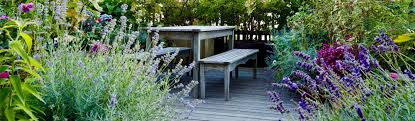
Seating areas, whether a simple bench or a full patio setup, allow you to enjoy your garden fully. Position them in spots with the best views or under natural shade. Adding features like a fire pit, water fountain, or birdbath can make the space more inviting and tranquil.
Garden Maintenance Tips
Maintaining a garden requires regular care, but it doesn’t have to be overwhelming. Routine tasks include watering, pruning, weeding, fertilizing, and monitoring for pests. Early morning or late evening is the best time to water, as it reduces evaporation and stress on the plants.
Pruning encourages healthy growth and helps maintain the desired shape of trees and shrubs. Removing dead or diseased branches prevents the spread of disease. Regular weeding ensures that your plants don’t compete with unwanted species for nutrients and water.
Mulching and composting are essential long-term practices. Mulch protects soil, retains moisture, and regulates temperature, while compost enriches the soil naturally. Seasonal care, such as preparing plants for winter or summer heat, ensures that your garden remains vibrant year-round.
Sustainable Gardening Practices
Sustainability is becoming increasingly important in gardening. Choosing native plants is a great way to support local ecosystems. Native species are adapted to the local climate and soil, requiring less water and maintenance. They also provide essential food and habitat for local wildlife.
Avoiding chemical fertilizers and pesticides is another sustainable approach. Opt for natural alternatives like neem oil, insecticidal soap, or organic compost. Rainwater harvesting, using rain barrels, or collecting runoff for irrigation reduces water waste.
Creating a composting system for garden and kitchen waste not only reduces landfill contribution but also produces nutrient-rich soil for your plants. Companion planting, crop rotation, and planting cover crops are additional eco-friendly practices that help maintain soil health and biodiversity.
Bringing Your Personality to the Garden
Your garden should reflect your personality and lifestyle. Whether you love bold colors, minimalist designs, or wildflower meadows, there are endless ways to personalize your space. Adding decorative elements like garden statues, lanterns, or planters can enhance the visual appeal.
Consider themed gardens to express creativity. A Japanese zen garden emphasizes simplicity and tranquility, while a cottage garden showcases a variety of colorful flowers and herbs in a relaxed, natural arrangement. Edible gardens, rock gardens, or butterfly gardens are other options that combine aesthetics with purpose.
Lighting is another key element. Solar-powered lights, string lights, or lanterns can create ambiance and extend the usability of your garden into the evening. Choosing the right lighting also highlights your favorite plants or garden features, enhancing the overall beauty of the space.
The Joy of Gardening
Gardening is not just a hobby; it’s a source of joy and relaxation. Studies have shown that spending time in green spaces reduces stress, improves mood, and promotes physical activity. Watching your garden grow, from tiny seedlings to full bloom, brings a sense of accomplishment and connection to nature.
Inviting friends and family to enjoy your garden can make it even more rewarding. Hosting outdoor meals, tea parties, or simply relaxing together in a serene setting strengthens relationships and creates lasting memories.
Whether you are a beginner or an experienced gardener, every garden has its own story. By combining knowledge, creativity, and care, you can cultivate an outdoor space that is beautiful, sustainable, and uniquely yours.
Final Thoughts
A garden is much more than plants and flowers—it is a living, breathing reflection of your tastes and values. With careful planning, attention to detail, and sustainable practices, your garden can flourish in any setting. Gardenista is dedicated to inspiring and guiding garden enthusiasts to create spaces that are not only visually stunning but also nurturing for the environment and the soul.
No matter the size or location, your perfect garden awaits. All it takes is imagination, effort, and a love for nature to transform any outdoor space into a haven of beauty and tranquility.