





50% Off - Sitewide | Exclusive
30% Off - Women's Clothing's
25% Off - Men's Collections
20% Off - Accessories
18% Off - All Products
Free Delivery Over £400
15% Off - Your Orders
10% Off - Sign Up Offer
Designerwear Review: Is It Worth It in 2026?
Introduction
Shopping for designer clothing online can feel like a bit of a gamble. You want the brands you already know, but you also want a price that doesn't make your bank account cry. Then there are questions about sizing, authenticity, delivery, returns and whether that supposedly amazing discount is actually worth it.
That is where Designerwear becomes interesting.
Designerwear is positioned around branded and designer fashion, giving shoppers access to clothing, footwear and accessories from well-known labels without necessarily having to shop directly with every individual brand. For anyone who enjoys keeping an eye on designer fashion but still wants to hunt for a better deal, that setup is naturally appealing.
I've always thought the best online fashion retailers are the ones that make browsing feel like treasure hunting. You go in looking for one thing, spot a reduced jacket or a pair of trainers from a brand you've had on your wishlist, and suddenly you're building an entirely different outfit in your head.
Designerwear has that kind of appeal.
But a big designer name alone isn't enough to make an online retailer worth recommending. The real questions are whether the selection is good, whether the pricing represents genuine value, whether the shopping experience feels reliable, and whether the products are worth adding to your wardrobe.
So, is Designerwear worth considering in 2026?
After looking at its positioning, product selection, value proposition, shopping experience and the kind of customer it suits best, I'd give it a strong overall score. It's particularly appealing for shoppers who enjoy branded fashion but don't want to pay full retail every time.
Quick Verdict Table
| Category | Rating |
|---|---|
| Brand Selection | 9/10 |
| Product Variety | 9/10 |
| Style | 9/10 |
| Value for Money | 8.5/10 |
| Product Quality | 9/10 |
| Shopping Experience | 8.5/10 |
| Everyday Wearability | 8.5/10 |
| Designer Appeal | 9/10 |
| Overall Rating | 8.8/10 |
My verdict: Designerwear is a strong option for fashion shoppers who want access to branded clothing, footwear and accessories while keeping an eye on value.
What Is Designerwear?
Designerwear is an online fashion retailer focused on branded and designer clothing, footwear and accessories.
The appeal is fairly straightforward: rather than visiting multiple individual brand websites, shoppers can browse a broader selection in one place.
That makes it particularly useful if you aren't loyal to just one label.
I also think the retailer's appeal comes from the combination of recognizable brands and promotional pricing. Designer fashion can get expensive very quickly, so finding reductions or offers can make a significant difference.
A Multi-Brand Approach to Fashion
One of the biggest advantages of a multi-brand retailer is choice.
If you're shopping for a new sweatshirt, for example, you don't have to decide in advance that you're buying from one particular label. You can compare different styles, price points and aesthetics and choose what actually suits you.
That's how I prefer to shop.
Rather than starting with a brand name and working backwards, I'd rather start with the item I want and then see which brands offer the best version.
Designerwear fits that approach nicely.
Why Is Designerwear Popular?
1. Access to Recognizable Brands
Designerwear's biggest attraction is, naturally, its branded fashion selection.
For many shoppers, wearing a recognizable label is part of the appeal of designer fashion. You get established designs, distinctive branding and the confidence that comes with buying from a known name.
2. Potential Savings
This is probably the biggest reason I'd personally browse Designerwear.
Designer clothing at full price can be difficult to justify, particularly when you're buying casual pieces such as T-shirts, sweatshirts, trainers or everyday jackets.
When those products are available at more attractive prices, the equation changes.
3. Plenty of Choice
The multi-brand format means you can compare different looks without jumping between websites.
That's especially convenient when you're building an outfit rather than searching for one specific product.
4. Fashion and Everyday Wear
Not every designer purchase needs to be something extravagant.
A branded hoodie, polo shirt, pair of trainers or casual jacket can become a regular part of your wardrobe.
That's an area where Designerwear makes sense to me: it isn't necessarily about buying statement pieces. It's also about upgrading everyday basics.
5. Seasonal Shopping
Fashion changes constantly, and online retailers can be useful for finding previous-season styles at more attractive prices.
If you're not obsessed with having the newest collection the moment it launches, this can be a smart way to shop.
Product/Service Categories Overview
Designerwear covers several major fashion categories, making it more of a complete wardrobe destination than a single-product retailer.
| Category | What You'll Find | Best For |
|---|---|---|
| Men's Clothing | T-shirts, polos, shirts, sweatshirts, jackets and more | Everyday designer style |
| Women's Clothing | Tops, dresses, knitwear and other fashion pieces | Casual and elevated looks |
| Footwear | Trainers, shoes and boots | Everyday and statement footwear |
| Accessories | Bags, belts, wallets and other accessories | Finishing an outfit |
| Sportswear | Athletic and casual sports-inspired clothing | Athleisure |
| Outerwear | Jackets and coats | Seasonal dressing |
| Designer Basics | Everyday branded staples | Building a wardrobe |
| Sale Fashion | Reduced branded products | Budget-conscious shoppers |
Men's Fashion
The men's selection is particularly useful if your wardrobe revolves around casual designer clothing.
Branded T-shirts, polos, sweatshirts, jackets and trainers can form the foundation of an everyday wardrobe without making every outfit feel overly formal.
Women's Fashion
Women's designer fashion covers a much broader range of styling possibilities.
Whether you're looking for casual pieces, seasonal clothing or something more polished, the multi-brand approach makes comparison easier.
Footwear
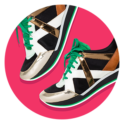
Shoes can completely change an outfit, and designer footwear is often one of the easiest ways to add a premium touch without buying an entire designer wardrobe.
Trainers are especially versatile because they work with jeans, joggers, dresses and casual tailoring.
Accessories
Accessories are another category where designer shopping can make sense.
A good belt, bag or wallet can last for years and instantly make a simple outfit look more considered.
Key Features and Benefits
Wide Brand Selection
The biggest practical benefit is being able to browse multiple labels in one place.
That saves time and makes comparison much easier.
Instead of opening ten browser tabs, you can browse by category and see different brands side by side.
Designer Fashion at Different Price Points
Not every designer item has to be a major investment.
This is something I like about multi-brand shopping. You can look for premium pieces while still setting yourself a budget.
A discounted sweatshirt may be a much better purchase for you than a full-price statement jacket.
Everyday Designer Style
Designer fashion has become much more casual over the years.
Hoodies, trainers, polos and relaxed-fit clothing are now staples of designer wardrobes.
Designerwear benefits from that shift because shoppers don't need to be dressing up to enjoy branded fashion.
Easy Outfit Building
Because there are multiple categories available, it's easier to put together a complete look.
You might find a pair of trainers, add a branded sweatshirt and finish the outfit with a jacket or accessory.
That makes the shopping experience feel more like browsing a department store than visiting a single-brand website.
My First Impressions of Designerwear
My first impression is that Designerwear makes the most sense for people who enjoy the hunt.
If you like finding a familiar designer label at a price that feels more reasonable, this kind of retailer is fun to browse.
I'm also a big fan of starting with a budget rather than getting emotionally attached to a particular product.
Designer fashion can encourage impulse purchases. You see a familiar logo, convince yourself you'll wear it constantly, and suddenly you've spent considerably more than planned.
My approach would be slightly different with Designerwear: browse, shortlist, compare prices and then decide.
The multi-brand format makes that particularly easy.
I also like the fact that designer fashion doesn't have to mean formal or flashy. Some of the most useful purchases are simple branded staples that you can wear repeatedly.
That's where I think the retailer has the strongest everyday appeal.
Product Quality and Performance Analysis
Quality of Materials
When buying designer clothing, expectations are naturally higher.
A premium price should come with good construction, attractive finishing and materials that feel appropriate for the product.
Established designer brands generally have strong quality standards, although quality can vary between labels and individual collections.
That's why I wouldn't treat the word "designer" as an automatic guarantee that every item is superior.
Instead, look at the actual garment.
Check the fabric composition, stitching, construction and care instructions before purchasing.
Fit and Sizing
Sizing is one of the biggest challenges when buying fashion online.
Different designer labels can have very different ideas about what constitutes a medium, large or oversized fit.
A relaxed-fit sweatshirt from one brand may feel completely different from a regular-fit sweatshirt from another.
My advice is simple: check the individual product information rather than relying entirely on your usual size.
If you're between sizes, think about how you want the item to fit. For oversized streetwear, sizing up might make sense. For a fitted polo or jacket, it may not.
Style and Wearability
This is where Designerwear scores particularly well.
A lot of designer fashion today is designed to work in everyday wardrobes.
A good branded sweatshirt can be worn with jeans on Saturday, layered under a jacket for dinner and paired with trainers for a casual travel outfit.
That's much better value than buying something you only wear once or twice.
Durability
Designer clothing can be an investment, so durability matters.
The best purchases are the pieces that survive multiple seasons and continue to look good after repeated wear.
I would always follow the care instructions, especially for delicate materials, dark colours and printed or embellished designs.
A £100 shirt that lasts for years can be a better purchase than three cheaper shirts that lose their shape quickly.
Detailed Ratings Table
| Feature | Rating | My Assessment |
|---|---|---|
| Brand Selection | 9/10 | Excellent variety |
| Product Quality | 9/10 | Strong branded offering |
| Style | 9/10 | Plenty of contemporary choices |
| Product Variety | 9/10 | Covers several wardrobe categories |
| Value | 8.5/10 | Particularly good when discounts apply |
| Footwear | 8.5/10 | Strong addition to the range |
| Accessories | 8.5/10 | Useful for completing outfits |
| Sizing Experience | 8/10 | Different brands require attention |
| Everyday Wearability | 8.5/10 | Many pieces are easy to style |
| Overall | 8.8/10 | Very good multi-brand fashion retailer |
Pros and Cons
Pros
| Pros | Why It Matters |
|---|---|
| Wide designer selection | Plenty of brands to compare |
| Strong product variety | Useful for building complete outfits |
| Attractive promotional opportunities | Potential to save on branded fashion |
| Everyday designer options | Easy to integrate into existing wardrobes |
| Footwear and accessories included | One-stop shopping is convenient |
| Good choice for fashion-conscious shoppers | Plenty of recognizable styles |
| Seasonal shopping opportunities | Previous-season pieces can offer value |
Cons
| Cons | Why It Matters |
|---|---|
| Designer pricing can still be high | Premium brands remain an investment |
| Sizing varies by brand | You need to check individual measurements |
| Choice can be overwhelming | Lots of products require browsing |
| Popular sizes may sell quickly | Desired products may not remain available |
| Discounts aren't the same on every product | Some items offer better value than others |
Performance Score Chart
Brand Selection
█████████ 9/10
Product Variety
█████████ 9/10
Style
█████████ 9/10
Product Quality
█████████ 9/10
Value for Money
████████▌ 8.5/10
Everyday Wearability
████████▌ 8.5/10
Footwear
████████▌ 8.5/10
Sizing Experience
████████ 8/10
The biggest strengths are clearly the breadth of the selection and the ability to shop across multiple designer labels.
Customer Reviews and Reputation
When judging an online fashion retailer, I think it's important to look beyond one overall rating.
Fashion is incredibly subjective.
One shopper might love an oversized cut while another considers it too loose. Someone might love a particular colour in person, while another customer expected something completely different from the product photos.
For Designerwear, I'd pay particular attention to recurring feedback about product authenticity, sizing, delivery, packaging, returns and customer service.
I'd also separate feedback about the retailer from feedback about an individual designer brand.
If a customer doesn't like the fit of a particular label's T-shirt, that doesn't necessarily mean Designerwear itself has a quality problem.
The most useful reviews are the ones that give specific details.
If you're buying an expensive jacket, for example, I'd rather read a review explaining how it fits, how warm it is and how it looks after several months than a simple "great product."
My own approach would be to research the specific item you're considering and compare its usual retail price with the price being offered.
That is the easiest way to decide whether you're getting genuine value.
Who Should Buy Designerwear?
Designer Fashion Fans
If you already have favorite designer labels, Designerwear is worth browsing because you can potentially find pieces from multiple brands without visiting each website individually.
Bargain Hunters
This is probably the biggest target audience.
If you enjoy finding designer fashion at a reduced price, the retailer naturally fits your shopping style.
Casual Fashion Shoppers
You don't need to wear suits or formal designer clothing.
Branded sweatshirts, trainers, polos, T-shirts and jackets can all become everyday wardrobe staples.
Gift Shoppers
Designer accessories and smaller fashion pieces can make excellent gifts, particularly if you already know someone's favorite brands.
Wardrobe Builders
If you're gradually upgrading your wardrobe, a multi-brand retailer makes it easier to compare different styles and prices.
Who Might Look Elsewhere?
If you're specifically looking for one brand's newest collection or want the full experience of shopping directly with that designer, the brand's own website may be preferable.
Likewise, ultra-budget shoppers may find designer fashion too expensive even when discounted.
Comparison With Competitors
| Retailer Type | Brand Selection | Value | Variety | Designer Focus | Overall |
|---|---|---|---|---|---|
| Designerwear | 9/10 | 8.5/10 | 9/10 | 9/10 | 8.8/10 |
| Designer Brand Websites | 8/10 | 7/10 | 7/10 | 10/10 | 8/10 |
| Department Stores | 9.5/10 | 8/10 | 10/10 | 8.5/10 | 9/10 |
| Designer Outlets | 9/10 | 9/10 | 8/10 | 9/10 | 8.8/10 |
| General Fashion Retailers | 8/10 | 9/10 | 9.5/10 | 6.5/10 | 8.3/10 |
Designerwear's biggest advantage is convenience.
A department store might offer an even larger selection, while a dedicated designer website gives you the most complete range from a particular label. Designer outlets can also be extremely competitive when it comes to discounts.
But Designerwear occupies a useful middle ground: multiple designer brands, broad categories and the opportunity to find better prices without having to shop everywhere separately.
8 Frequently Asked Questions
1. Is Designerwear worth it in 2026?
Yes. I rate Designerwear 8.8/10 overall. It is particularly appealing if you want branded fashion and enjoy looking for competitive prices.
2. Is Designerwear good for designer clothing?
Yes. The retailer's main appeal is its selection of branded and designer fashion across different categories.
3. Can I buy designer trainers from Designerwear?
Yes, footwear is an important part of the product selection, including trainer-style footwear and other branded shoes.
4. Is Designerwear expensive?
Some products can still be expensive because designer brands naturally carry premium prices. However, discounts and promotional pricing can make selected products considerably more attractive.
5. Does Designerwear sell women's fashion?
Yes. The range extends beyond men's clothing and includes women's fashion and accessories.
6. What should I check before buying from Designerwear?
I'd check the product description, brand-specific sizing, material composition, price comparison and return information before completing your purchase.
7. Is designer clothing worth the money?
It depends on the individual product. I think designer clothing is worth considering when the quality, design, versatility and expected lifespan justify the price. A piece you'll wear for years is much easier to justify than something trendy you'll wear twice.
8. What is the best way to shop Designerwear?
Start with a specific category or budget, shortlist a few products, compare their original and current prices, and think about how often you'll realistically wear each piece. Don't buy something just because the discount looks impressive.
Final Verdict
So, is Designerwear worth it in 2026?
For me, the answer is yes — particularly if you're a fan of branded fashion and enjoy finding a good deal.
The strongest part of Designerwear is its combination of choice and convenience. Instead of browsing dozens of individual fashion websites, you can explore multiple designer labels across clothing, footwear and accessories in one place.
That makes the experience much more enjoyable if you're the type of shopper who likes comparing brands rather than automatically buying from one label.
I also think Designerwear makes the most sense when you're shopping for wearable designer fashion rather than pieces that will sit untouched in your wardrobe.
A premium sweatshirt that becomes your go-to weekend layer is a better purchase than a dramatic statement piece that spends 11 months of the year hanging in the wardrobe.
My personal recommendation would be to focus on versatile staples: quality trainers, sweatshirts, polos, jackets, knitwear and accessories. These pieces tend to offer the best combination of designer appeal and everyday usefulness.
There are some things to watch out for. Designer prices can still be high, sizing differs considerably between labels, and not every discount represents an equally good deal. Take a few minutes to compare prices and check measurements before buying.
But if you enjoy fashion, recognize the value of established brands and like the excitement of discovering a reduced designer piece, Designerwear is definitely worth having on your shopping list.
Final rating: 8.8/10.
I'd recommend Designerwear to fashion-conscious shoppers who want designer style, plenty of choice and the opportunity to find better prices without restricting themselves to one particular brand.
The best strategy? Don't shop just for the logo. Find the piece you genuinely love, make sure it fits your wardrobe, check the price, and then enjoy it. That's when designer fashion feels like money well spent.